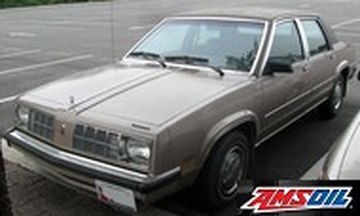
Maintaining Lubrication Integrity for the 1982 Oldsmobile OMEGA 2.8L
Proper engine maintenance is a cornerstone of long-term vehicle health, particularly when managing an engine that has been in operation for several decades. For the 1982 Oldsmobile OMEGA equipped with the 2.8L engine, consistent attention to lubrication and fluid integrity helps ensure the mechanical components continue to operate as intended. While many modern maintenance tasks are automated or standardized, older vehicles often require a more observant approach to identify changes in operating conditions before they lead to significant issues.Monitoring Fluid Condition and Potential Seepage
A primary aspect of routine service for this vehicle involves regular visual inspections of the engine bay. Rather than waiting for a scheduled service interval, an owner can gain valuable insight by periodically checking for signs of fluid movement. When inspecting the engine area, look for any evidence of seepage around various gaskets and seals. Over time, heat cycles and age can affect the ability of sealing surfaces to maintain a perfect barrier. It is helpful to check not only the areas immediately surrounding the engine block but also the underside of the vehicle to see if any fluids have collected on the pavement or components below. If you notice an accumulation of dark, oily residue on various surfaces, it may indicate that a seal is beginning to weep. Similarly, checking the appearance of the oil itself can be informative. While oil naturally darkens as it undergoes thermal stress and collects microscopic debris, extremely thick or gritty textures should be investigated. If any unusual odors are detected—such as a scent reminiscent of burning material—this warrants an inspection to determine if lubricant is contacting a hot engine component.Observing Changes in Lubricant Consumption
For many owners of older vehicles, monitoring how much oil the engine uses between service intervals is a practical way to gauge internal health. While some level of consumption can occur as engines age, significant changes in the amount of oil required for top-offs should not be ignored. If you find that you are adding more lubricant than usual to maintain the correct levels, it may indicate that the engine is consuming more fluid than in previous months. This does not necessarily point to a single specific component failure; rather, it can be associated with various internal or external factors. Keeping a written log of how much oil is added and at what mileage intervals can help you distinguish between normal aging and a developing issue that requires professional diagnosis. Additionally, keep an eye on the exhaust. While smoke color can be influenced by many variables, certain visual cues during acceleration or idling may warrant further investigation to ensure the engine is operating efficiently.Prioritizing Maintenance Based on Current Condition
As a vehicle ages, the most effective way to manage maintenance is to prioritize tasks based on the actual condition of the machine rather than relying solely on chronological age. For a 1982 Oldsmobile OMEGA, this means moving away from a "one size fits all" mindset and toward a more personalized service strategy. If you are taking over ownership of this vehicle without a complete service history, your first priority should be establishing a baseline. This involves performing a thorough inspection of all vital fluids, checking the condition of any visible hoses or belts (if equipped), and verifying that all electrical connections appear secure and free of corrosion. Once you have documented the current state of the engine and its supporting systems, you can create a more accurate schedule for future preventative measures. When reviewing maintenance records, look for patterns. For example, if certain components have been replaced recently, they may require less immediate attention than parts that have not been serviced in many years. Addressing active leaks or addressing signs of fluid degradation immediately is always more cost-effective than waiting for a minor issue to escalate into a mechanical failure.Managing Aging Engine Components
Maintaining an older engine requires a proactive stance toward aging materials. Beyond the oil itself, other components that are subject to heat and vibration should be monitored. If your vehicle is equipped with various drive belts, inspect them periodically for signs of deterioration such as cracking, glazing, or fraying. Similarly, if there are visible cooling hoses present, check them for softness, brittleness, or swelling. While these components may appear functional, their ability to withstand pressure and temperature fluctuates over decades of service. It is also beneficial to ensure that the crankcase ventilation system is functioning correctly. A clean and unobstructed ventilation path helps manage internal pressures and can assist in preventing the buildup of unwanted deposits within the engine. Regular attention to the air filtration system is equally important, as a clean intake environment reduces the amount of particulate matter that can enter the combustion chamber and potentially contaminate the lubricant.The Role of Consistent Lubrication Service
Effective lubrication serves several purposes beyond simply reducing friction. It plays a vital role in managing the thermal energy generated during engine operation and helps to suspend small particles, carrying them away from critical surfaces toward the filtration system. By adhering to a consistent service routine, you help ensure that the lubricant maintains its ability to protect internal components from wear and oxidation. As oil ages, its chemical additives can become depleted, reducing its effectiveness at managing heat and preventing the formation of sludge or deposits. Regular changes are the most direct way to maintain these protective qualities.Practical Guidance for BUYING ENGINE OIL for your 1982 Oldsmobile OMEGA 2.8L
When it is time to replenish your engine's lubricant, the most important step is to ensure that the product you select matches the specific requirements of your engine. For this 1982 Oldsmobile OMEGA 2.8L, do not rely on general automotive knowledge or assumptions based on the vehicle's age to determine which oil to use. Instead, match the engine oil to the application-specific viscosity information already displayed on this webpage. Before making a purchase, carefully check the product labeling to verify that the SAE viscosity and any relevant API certifications align with the data provided in your vehicle's documentation. Depending on your specific needs and the current condition of your engine, you may encounter various formulations:- Conventional oils are standard mineral-based lubricants.
- Synthetic blends combine conventional and synthetic oils for different performance characteristics.
- Full synthetic oils offer advanced chemical stability and resistance to thermal breakdown.
- High-mileage formulations may contain specific additives intended for use in aging engines, such as seal conditioners.